Webinar Recording Youth Engagement in Combatting Hate Speech
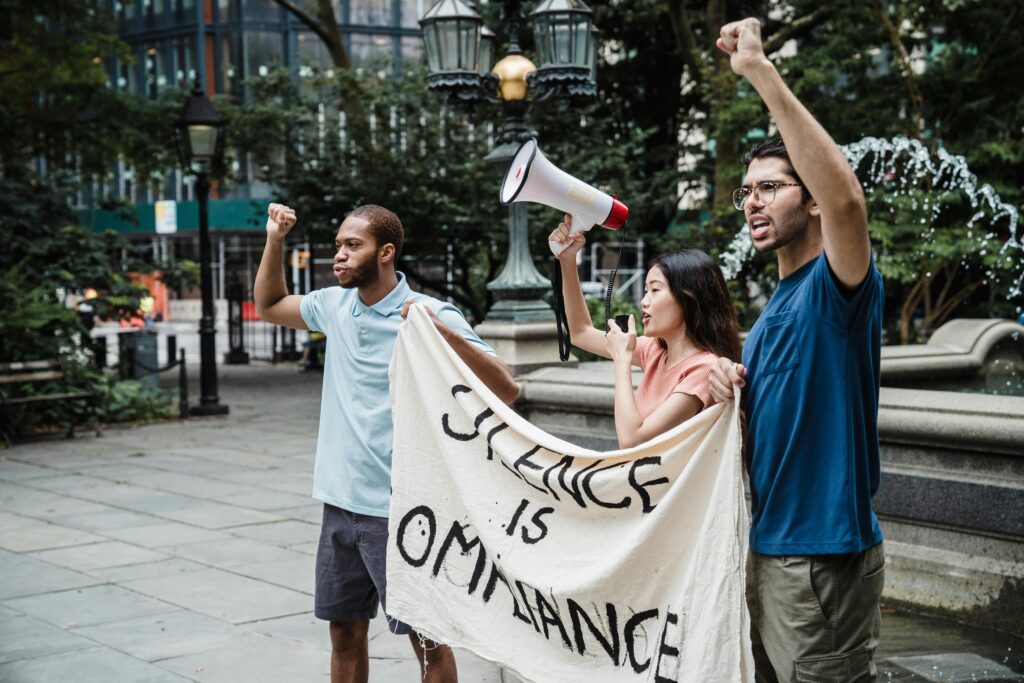
Overview The Memory Makers “Youth Engagement in Combating Hate Speech” webinar brought together experts who are leaders, human rights advocates, and youth experts from across Europe. They explored how young people can challenge hate speech narratives, and foster inclusive societies. This discussion highlighted grassroots initiatives, policy advocacy, and educational approaches that empower youth to take […]
Empowering Youth Through Digital Narratives

Overview This session introduced the Memory Makers project and examined how digital platforms influence public memory. Kristina, Deputy Director of the Great War Museum, discussed the challenges of communicating sensitive historical topics on social media, especially on fast-paced platforms like TikTok. She highlighted common risks such as oversimplification, sensationalism, and misinformation, stressing the need for […]
Holocaust Remembrance and Inclusive Storytelling

Overview This webinar explored how digital tools can help bring visibility to groups historically marginalized in Holocaust narratives, including Roma, LGBTQ+, and disabled communities. Human rights advocate Ewelina Dobrovolska emphasized storytelling as a powerful method for fostering empathy and challenging prejudice. Through a reflection exercise on social media examples, participants examined representation, authenticity, and ethical […]
Inclusive Narratives and Human Rights Advocacy

Overview The session featured Tomas Vytautas Raskevičius, who connected his LGBTQ+ rights advocacy with contemporary approaches to Holocaust remembrance. Reflecting on his legislative and activist experiences, he discussed the role of public support, resilience, and democratic participation in advancing equality. He encouraged young people to recognise their influence in civic life, report hate speech, and […]
Digital Storytelling and Ethical Remembrance

Overview Led by Karolina Vilkelienė from the Ninth Fort Museum, this webinar focused on how cultural institutions use digital formats—especially short-form video—to make complex historical narratives more accessible. She presented the museum’s approach to correcting historical inaccuracies, crafting ethical content, and using micro-stories, testimonies, and behind-the-scenes materials to engage young audiences. The session also showcased […]